My Favorite Churches in Rome

by May 22, 2022

Introduction

During my time in Rome, I noticed the pervading presence of the Catholic Church within the city. I encountered beautiful churches at every corner. The basilicas and churches dated back centuries ago, displaying their timelessness through the relics and arts inside. On the outside, they were not very impressive. However, every time I step through the door, the interior transported me into a whole new world.

The project started out as taking pictures of the churches for my mom. Since then, it has evolved into a webpage dedicated to highlighting interior features of the religious spaces. Here are my top three must-see three basilicas and churches in Rome.

First

St. Peter’s Basilica

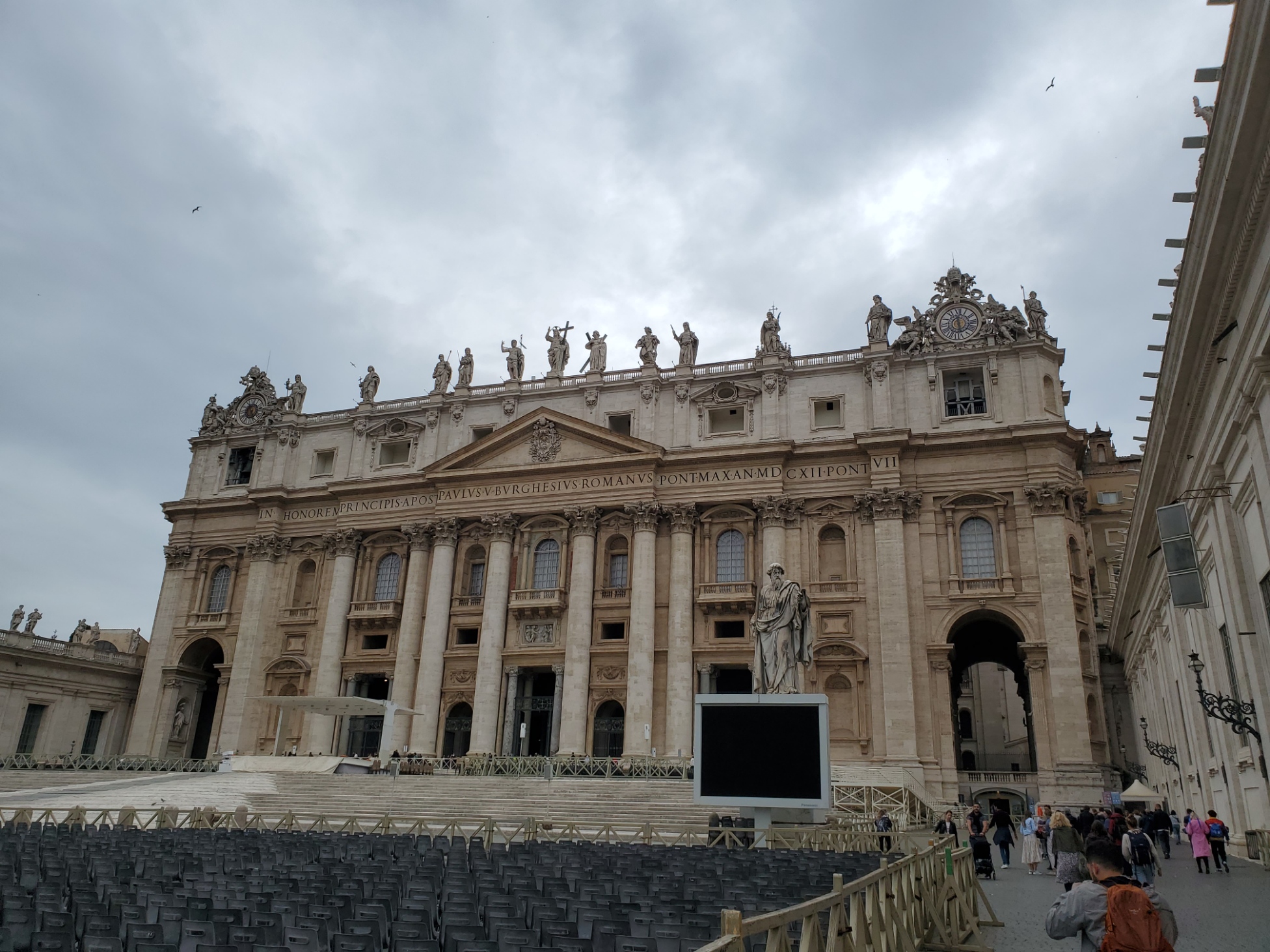
St. Peter’s Basilica, also known as Basilica di San Pietro, is in Vatican City and where the pope resides. Named the world’s greatest Roman Catholic Basilica, it is one of the most popular pilgrimage destinations in the world in the world. The Basilica’s interior holds some of the greatest works of famous artists during the Italian High Renaissance.

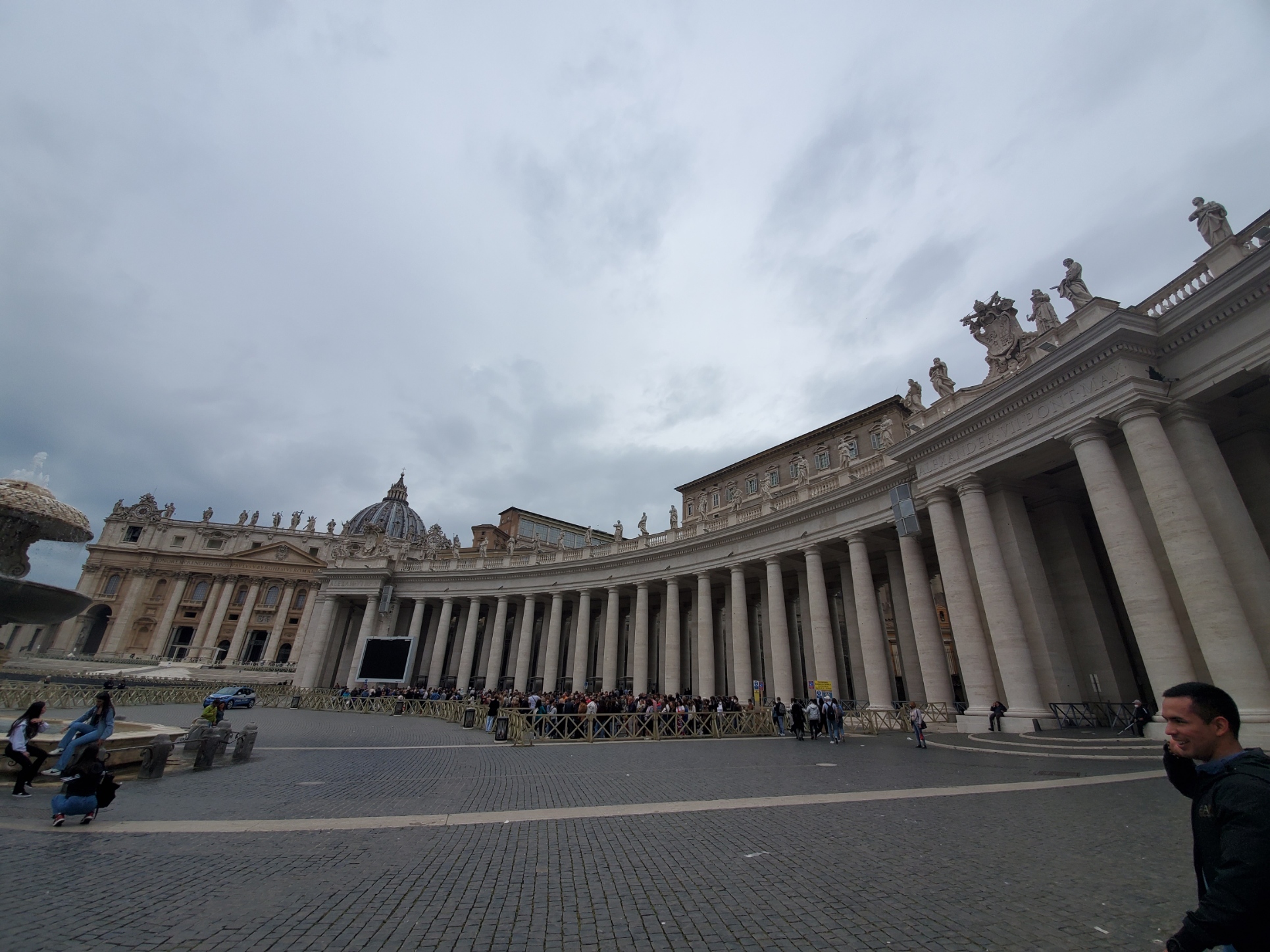
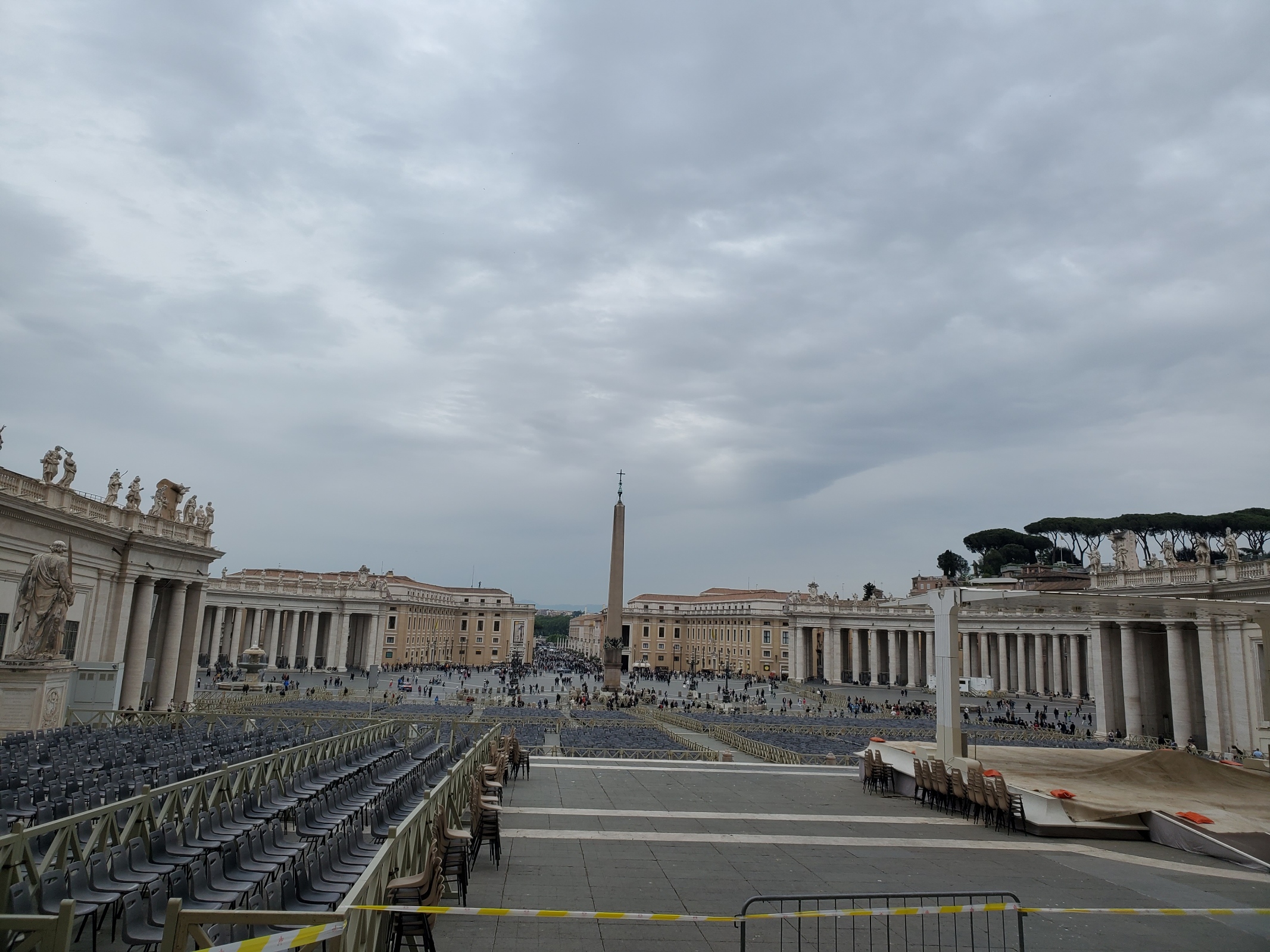
In 1556-67, the magnificent piazza outside St. Peter’s Basilica was designed by Gian Lorenzo Bernini. The piazza was partially enclosed by two semicircular colonnades, forming an ellipse. Each colonnade has four rows of Doric columns. There is a total of 284 columns and 96 statues of saints and martyrs on top. An obelisk stands proudly in the center of the piazza.
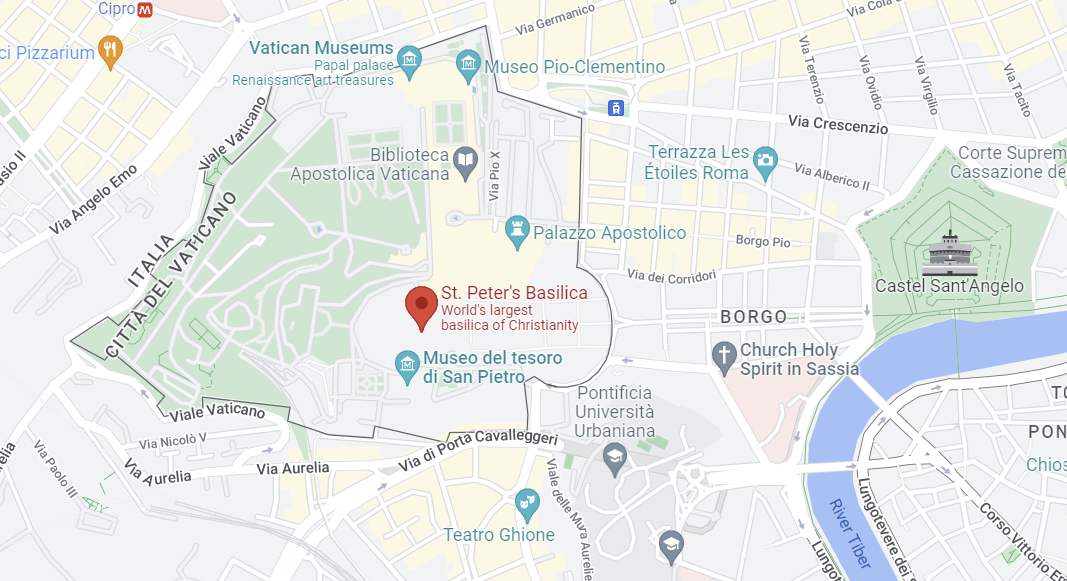
St. Peter's Basilica Location

The Basilica is located within the Independent Vatican State, which is on the right bank of the Tiber. The exact location is indicated by the red pointer top

Doric columns

A type of ancient column that characterizes by the following features: 1) a plain capital, 2) a fluted shaft, and 3) standing on a platform with no base. 

The Obelisk

The Obelisk stands 25.5m tall and is free of hieroglyphs. In 37 A.D., it has been set up by the emperor Augustus. In 1586, Pope Sixtus V moved it to its present location. During the renovation, the pope changed the original globe surmounted on the obelisk to a cross. 

The Interior

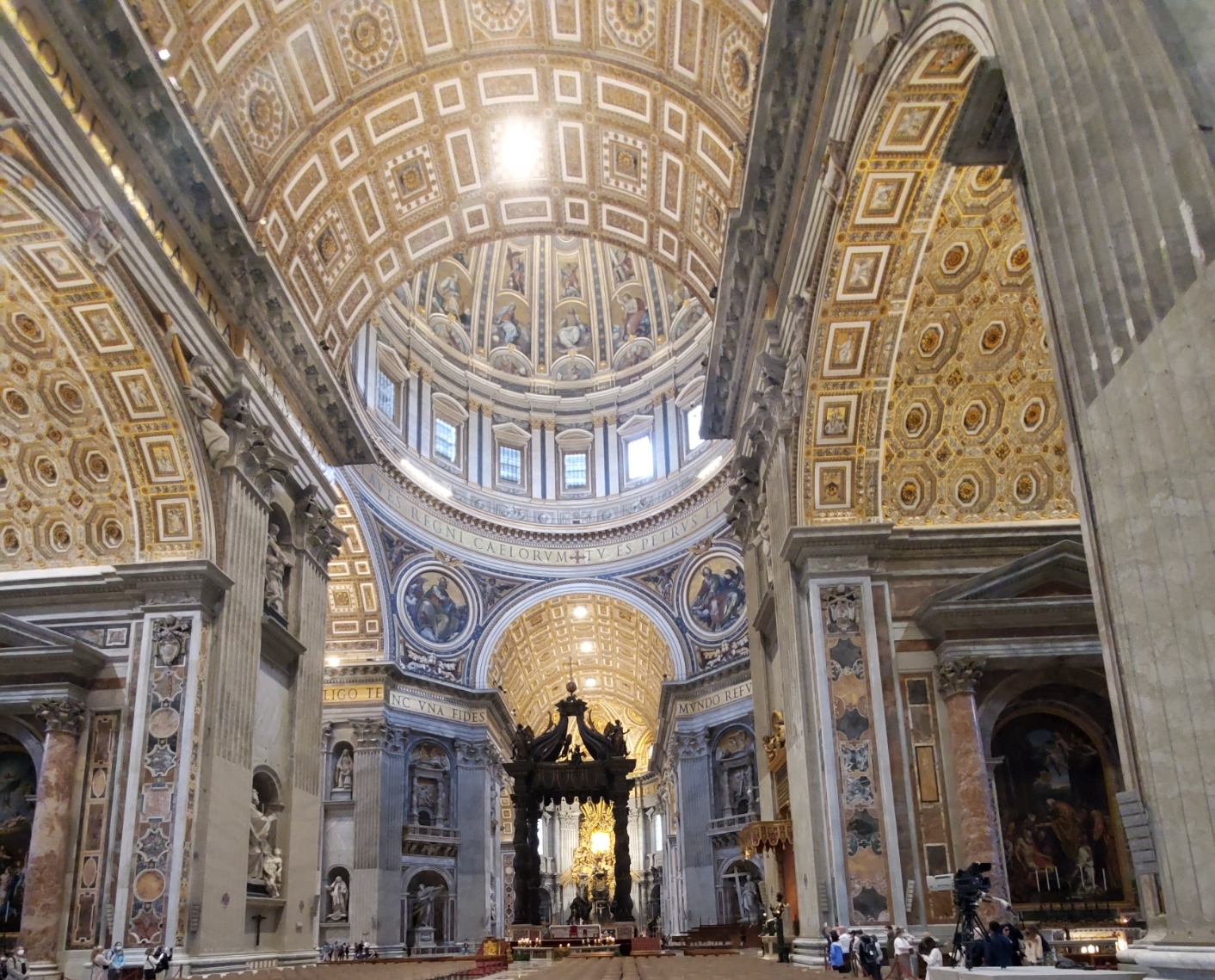
The interior is massive and monumental. I was left breathless when I entered the basilica. The space is 186 meters by 137 meters with a high ceiling. Bramante designed the ceiling while Gaicomo della Porta and Bernini dodidne the marble on the wall.

Michelangelo's Pieta

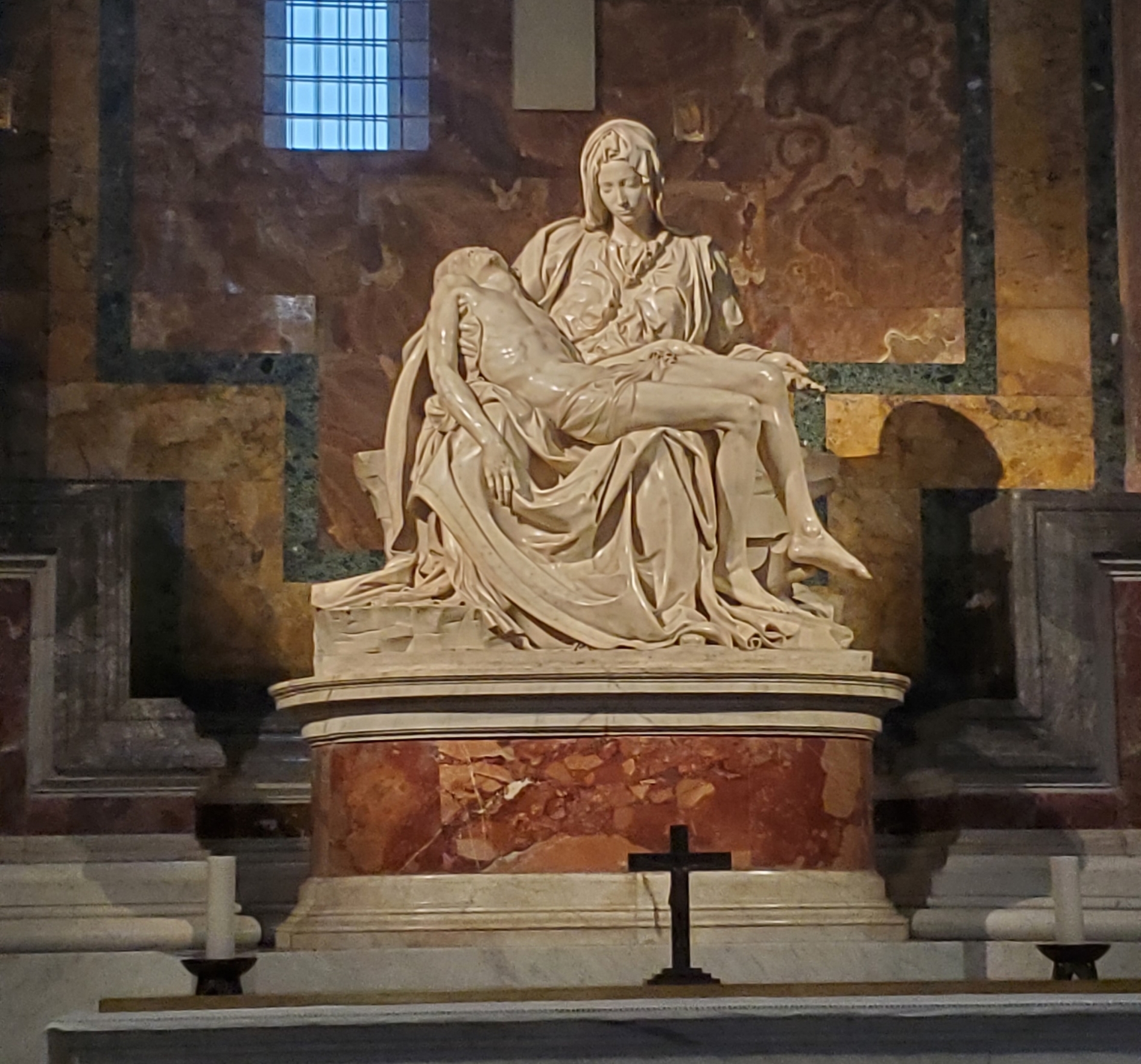
The work is currently on the right side closest to the entrance. Michelangelo created the sculpture in 1499 when he was just 24. An interesting feature is that the Madonna is younger than her son. In the last Canto of Dante’s Paradiso, it said, “Virgin mother, daughter of your son.” 

The Statues and Tombs of the Pope

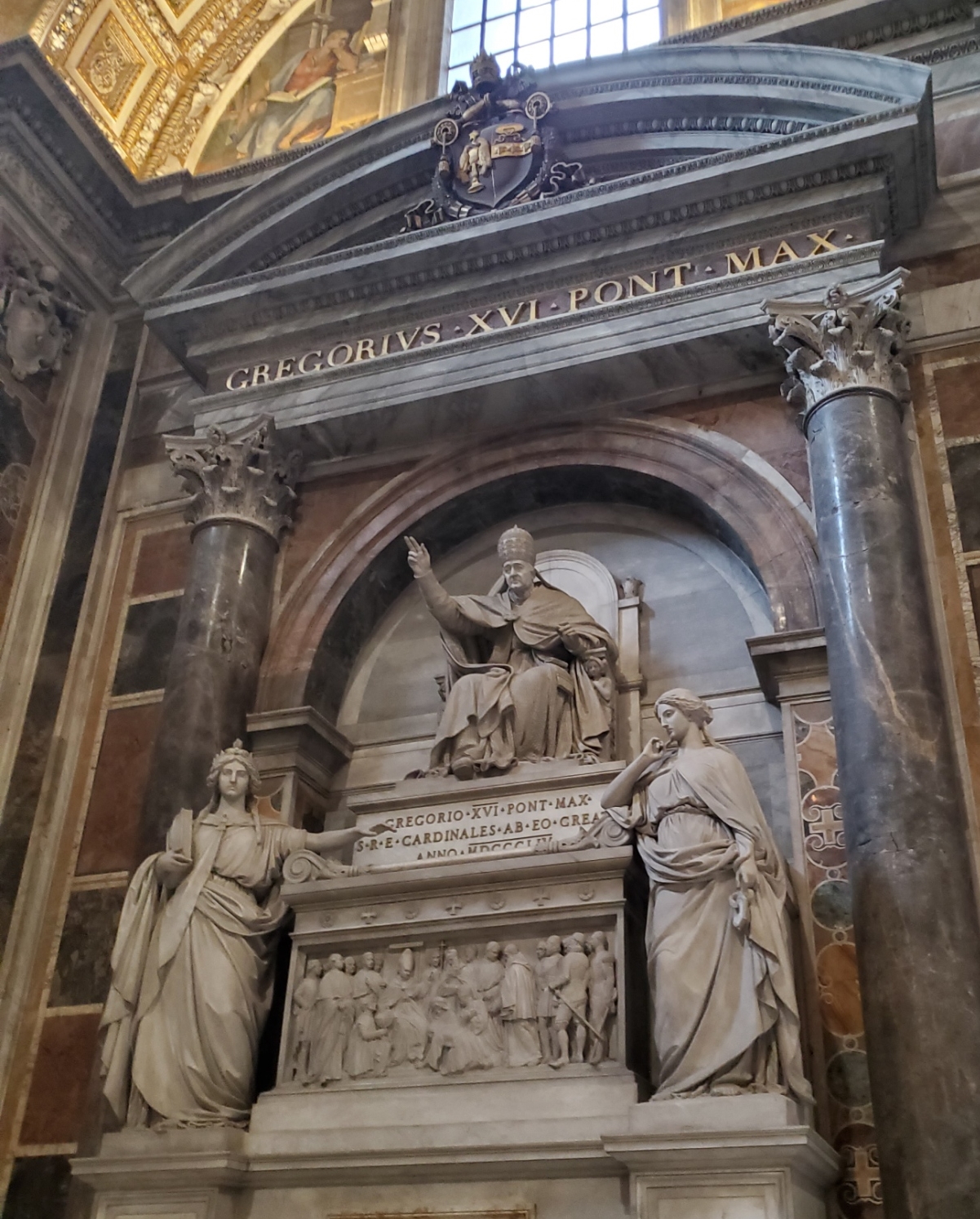
The monument above is of Gregory XVI who was the last monk to become Pople from 1831-1846. Monuments and sculptures of different saints and popes are scattered across the Basilica. Visitors are able to visit the tombs of the popes. However, I was not able to take pictures because photography was not allowed. 

The High Alter and Baldacchino

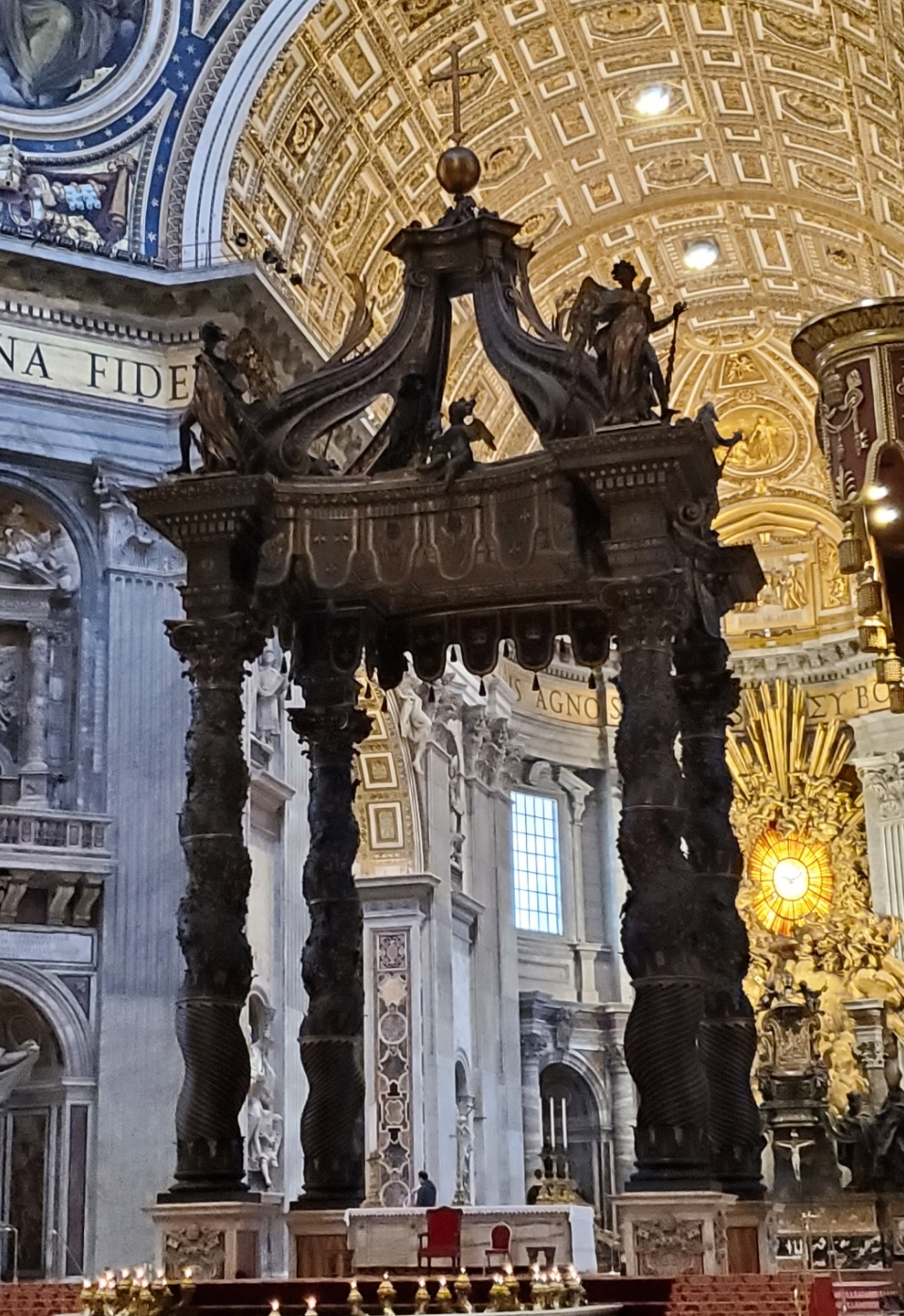
The Baldacchino is the cencenterpieceter of St. Peter’s Basilica. The focus was on the high altar, which rested above St. Peter’s burial place. The alter was created by Bernini and unveiled by Pope Urban VIII in 1633. The colossal Baroque structure is a decorative and functional structure that is  cast from the braonze taken from the Pantheon.bronze

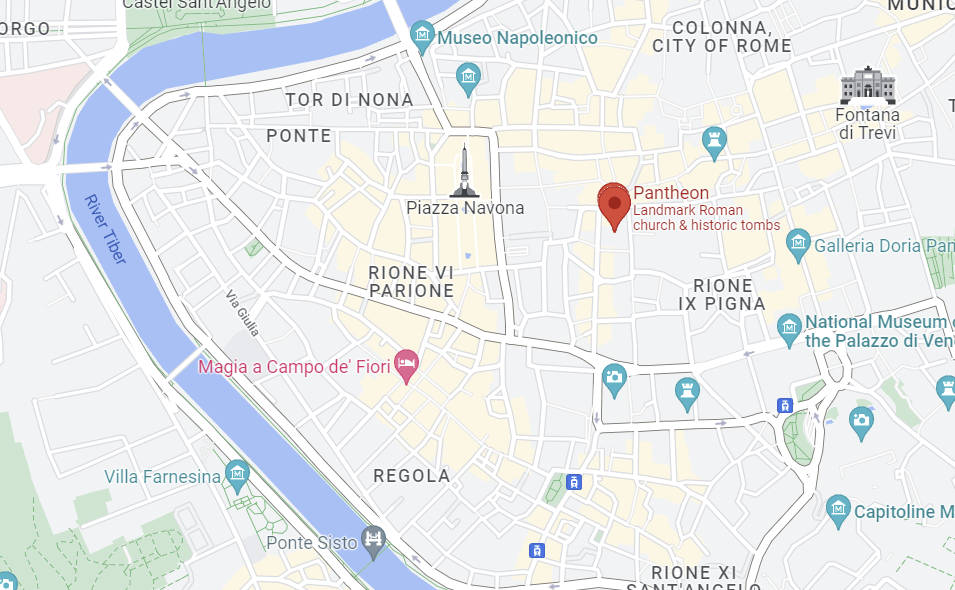
The Location of the Pantheon

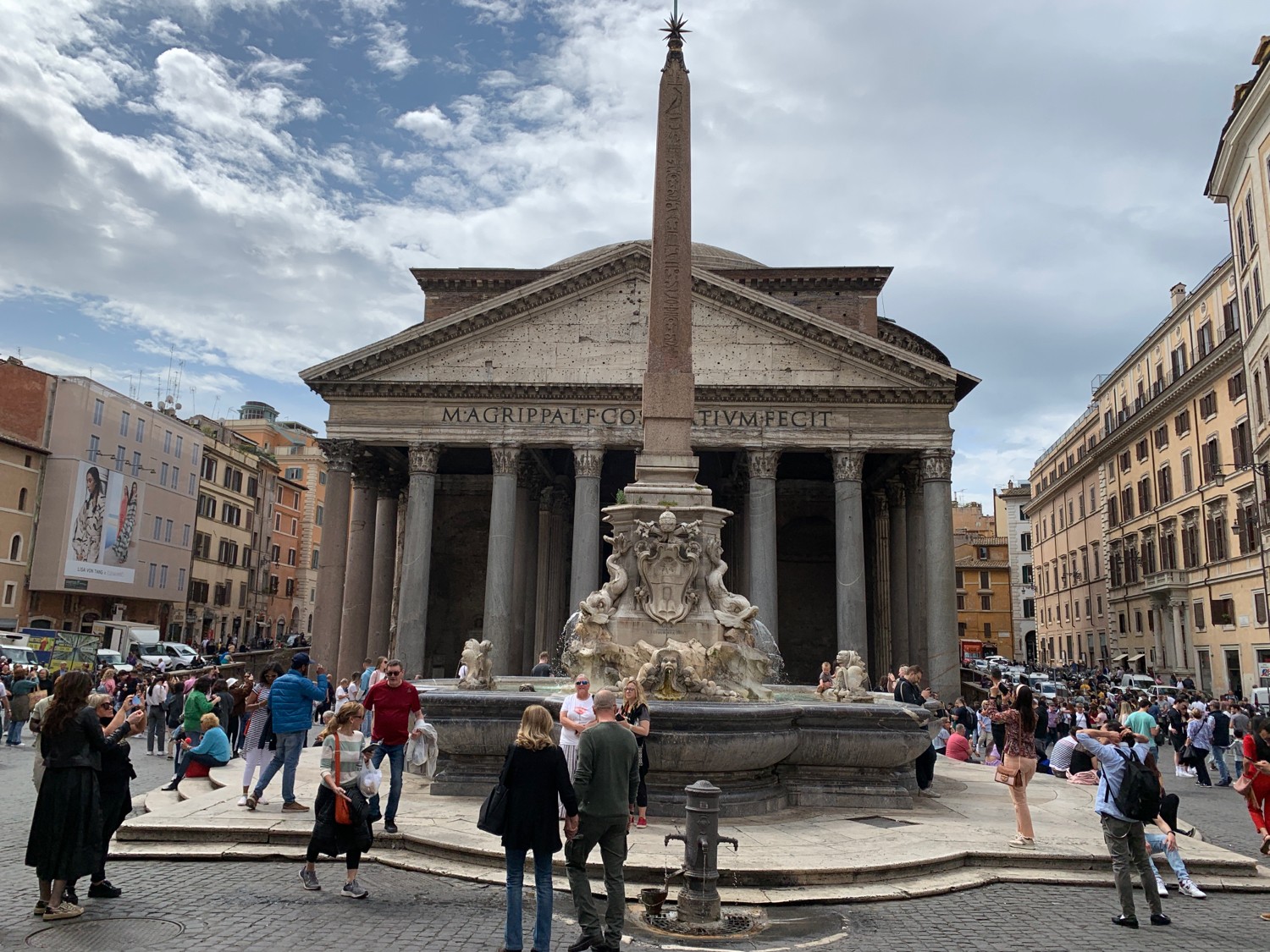
The Pantheon is still located at its original site in Campus Martius. Campus Martius was a marshy terrain that housed soldiers’ training areas during ancient times. There was a potential link between emperor Augustus’s mausoleum and the Pantheon because they were both constructed simultaneously. Another of Augustus’s projects, the Ara Pacis, was midway between these two structures.

Corinthian Columns

The portico has 16 monolithic Corinthian columns made from either red or grey granite. Each column is 12.5 meters high and has a circumference of 4.5m. They do not have any fluting. Eight of the columns stand in the front, while the rest of the columns are arranged to form four rows. Corinthian columns and architecture are distinguished by looking at the tops of the shafts called capitals. Often, the capitals are decorated with acanthus leaves and flowers.

The Portico

The Pantheon’s portico is a porch that makes up of a roof supported by the Corinthian columns. In 1662, Pope Alexander VII restored the Pantheon and used this opportunity to lower the piazza, providing a better view of the façade. In 1668, Pope Clement IX put up an iron railing around the portico. Nowadays, visitors can see how much the piazza has raised above the Pantheon. Over time, the city evolves and renovates, displaying how Rome is an eternal city.

The Rotunda

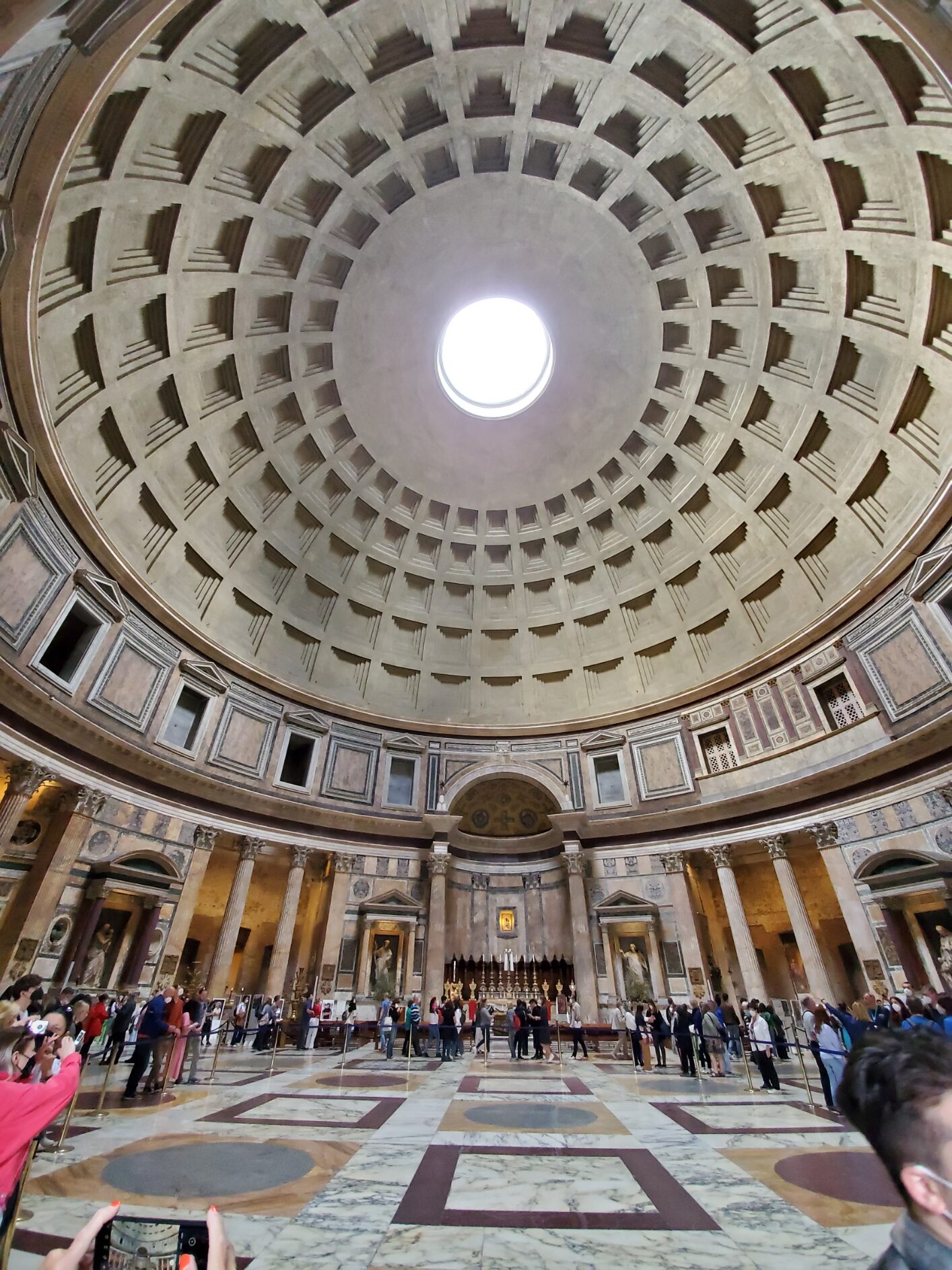
The rotunda is an architectural feat. The height and diameter of the interior are both 43.3 meters. Because of its design, the interior is able to hold a perfect sphere. From the outside, the portico partially covers the dome, making it smaller. However, once you step through the bronze door, the impressiveness of the dome hits you at once.

The Dome

The dome of the Pantheon is the largest masonry to be built, exceeding the one in St. Peter’s Basilica. The dome is composed of five rows of coffers. As they reach the center, the coffers become smaller, adding visual effects to the space and light. To make the design possible, many materials with different densities are used. Travertines are used at the thickest point while tufa and pumice are used at the top because they are lighter.

The Open Oculus

The oculus is 9 meters in diameter, which provide light inside the church. There is no glass covering the open oculus, meaning that the interior will get wet if it rains outside. There was a myth that the lighted candles around the dome would prevent any rain from coming in. The smoke would rise from the hundreds of candles and heat up the space. People believed that the rain evaporated before it could land. However, this myth is false.

The Madonna del Sasso

The Statue of the Madonna del Sasso was probably designed by Raphael but was done by his student Lorenzetto. Underneath the statue is the burial site of Raphael, the first person to be buried in the Pantheon. How was he able to be buried in the Pantheon? Pope Leo X asked Raphael to preserve the ancient monuments in Rome. Because of the great task, he requested to be buried in the Pantheon.

Second

The Pantheon

In Ancient Greek, the Pantheon derives from the words pan and theon, which mean all gods. The Pantheon is a temple dedicated to all the gods. In 27 BCE, the original temple was built by Agrippa to celebrate the victory over Anthony and Cleopatra. In 80 AD, it was damaged by fire like all other buildings back then. The Pantheon was restored, but it was destroyed by lightning and fire again in 110 AD. Between approximately 118-128 AD, the second version of the Pantheon was built and designed by Hadrian. The second version was much more extensive and erected on different lines. In 609 AD, Pope Boniface consecrated it as a church, dedicating it to the Blessed Virgin Mary and the martyrs of Rome. There was a legend that the bones of the martyrs were transplanted from the catacombs to the church.

The Pantheon is composed of a pronaos and a domed rotunda, making it a unique architecture. During ancient time, the steps leading up to the Pantheon was above the Piazza Della Rotonda. Since then, many restorations are done to maintain the structure. In my opinion, the interior is even more impressive than the exterior. The rotunda showcases an open oculus and high ceilings. The Pantheon is also an important burial site.

Third

Santa Maria Maggiore

The Santa Maria Maggiore: The Santa Maria Maggiore was built during the fifth century. As of today, it is one of the four great papal basilicas and one of the Seven Pilgrim Church of Rome. The Santa Maria Maggiore retains its original appearance more than even the other papal basilicas in Rome: St. Joh Lateran, St. Peter’s, and San Paolo fuori le Mura. Since its creation, many popes continued building more tombs and chapels.

In 1587, Pope Sixtus V set up an obelisk outside the church. Ferdinando Fuga designed the main façade that faced the Piazza Santa Maria Maggiore a century later. Fun fact, a column in the piazza was taken from a column from the Basilica of Maxentius in the Forum.
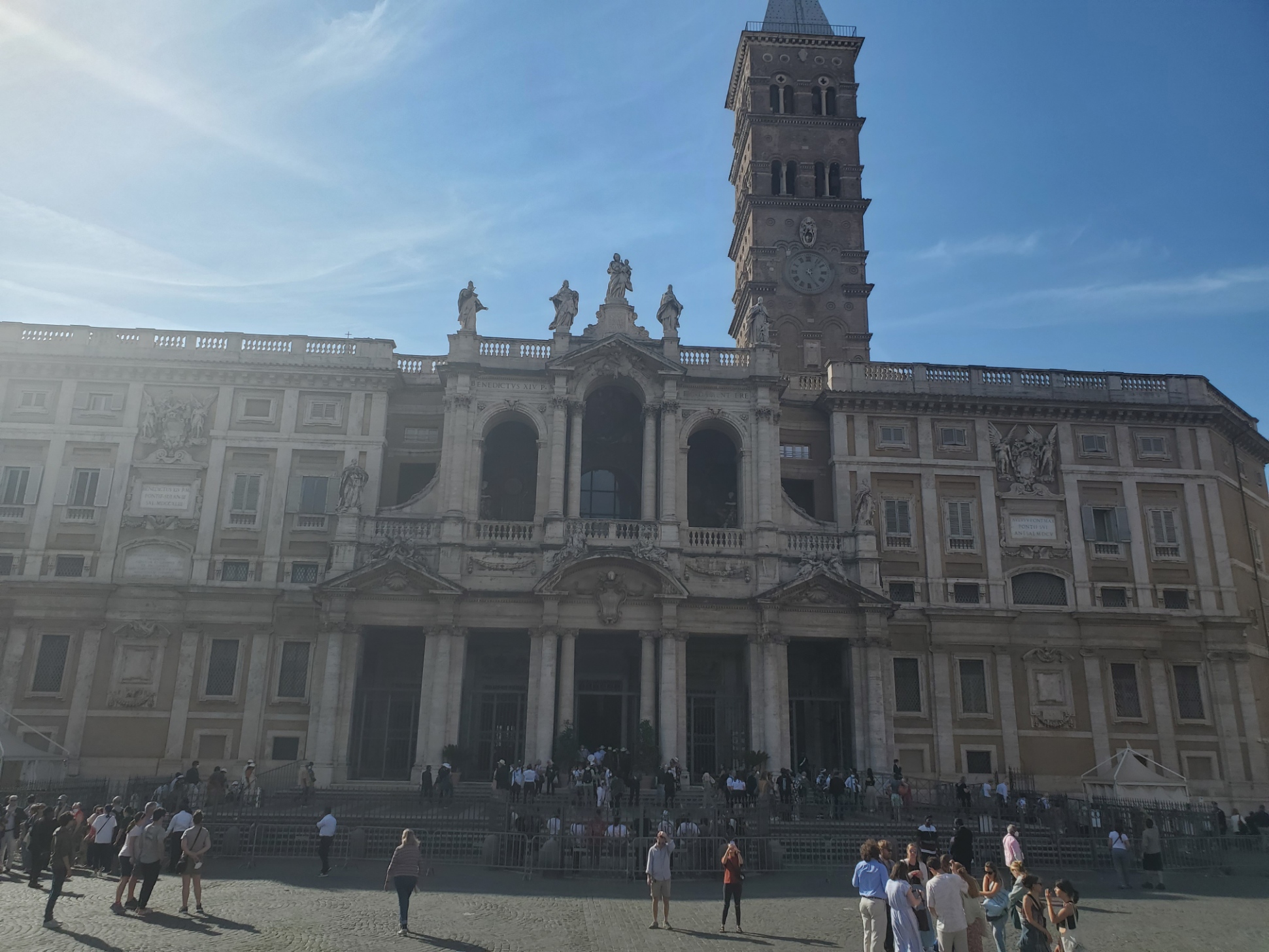
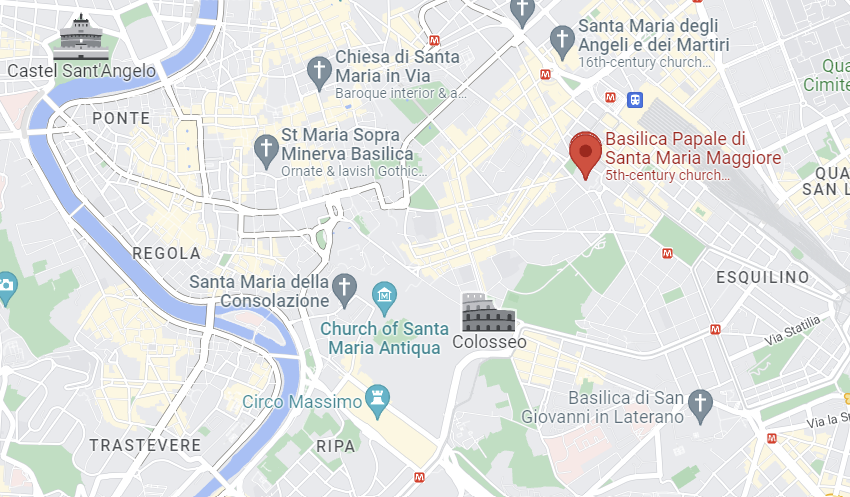
The Location of Santa Maria Maggiore

Santa Maria Maggiore is built on Esquiline Hill. In the 13th century, a legend began to spread about the basilica construction. On the night of August 5th, the Virgin Mary appeared to Pope Liberius and a patrician of Rome and told them to build a church here. Miraculously, a patch of snow indicated the outline of the church in summertime. White rose petals are dropped annually to celebrate the basilica’s founding and commemorate the miracle.

The Ceiling and the Mosaic in the Nave

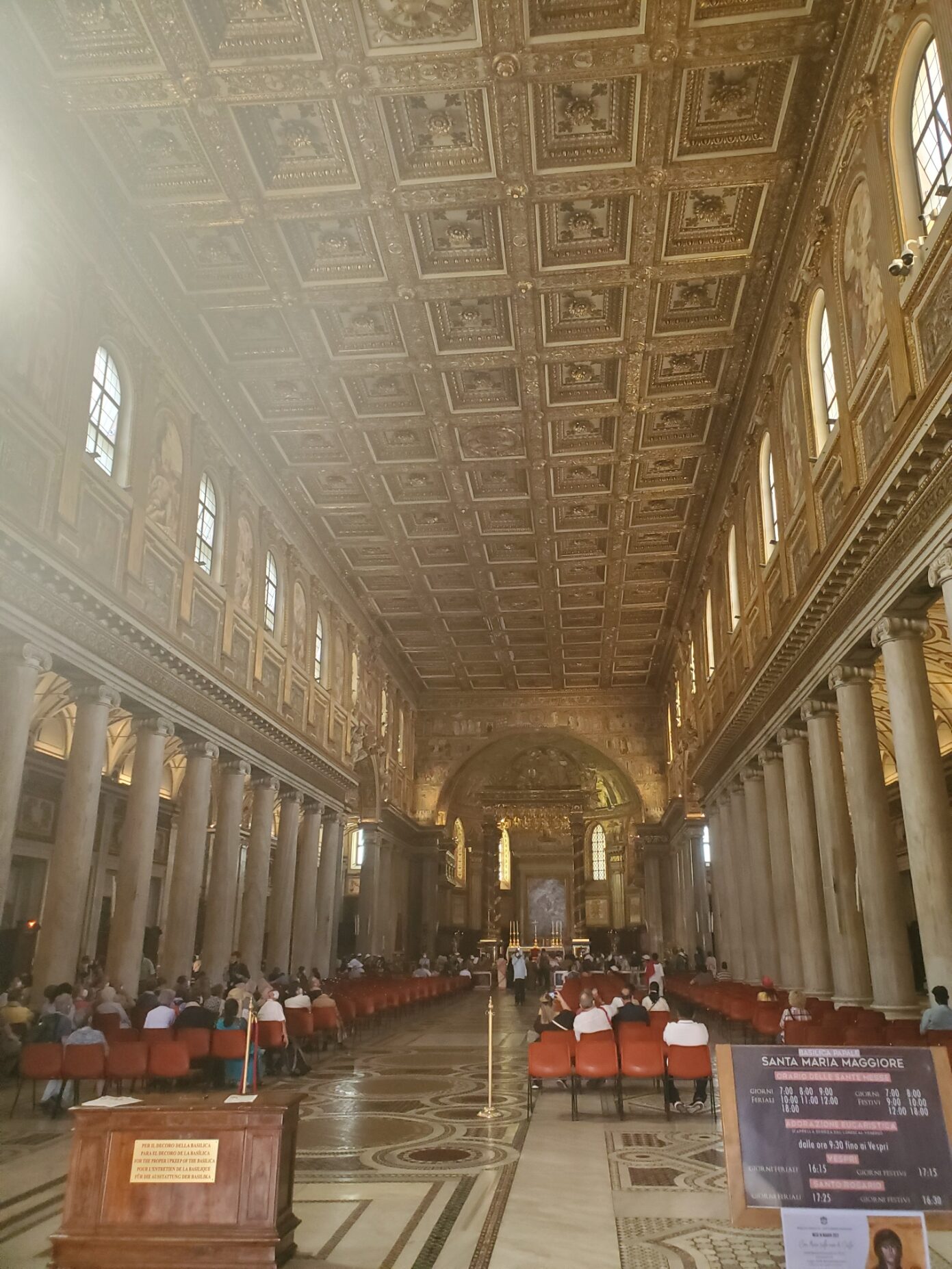
The interior is divided into a nave and two aisles, flanking by columns made from Hymettian marbles and granite. The coffered ceiling was thought to be gilded by the gold Columbus brought over from America. Dating back to around Pepe Sixtus III time, the mosaic in the nave depicted biblical scenes for everyone to enjoy.

The Cappella Sistina and Crypt of Nativity

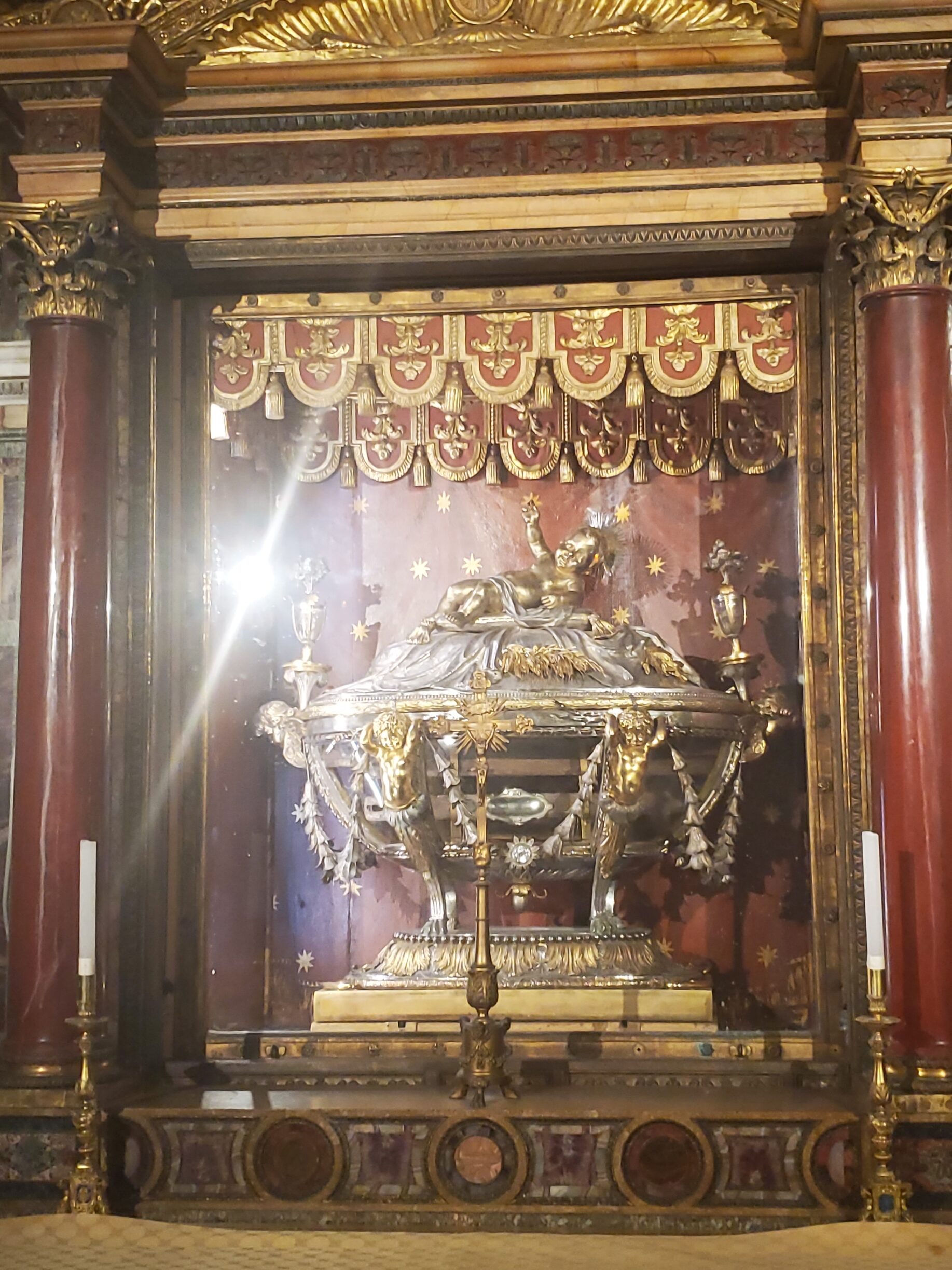
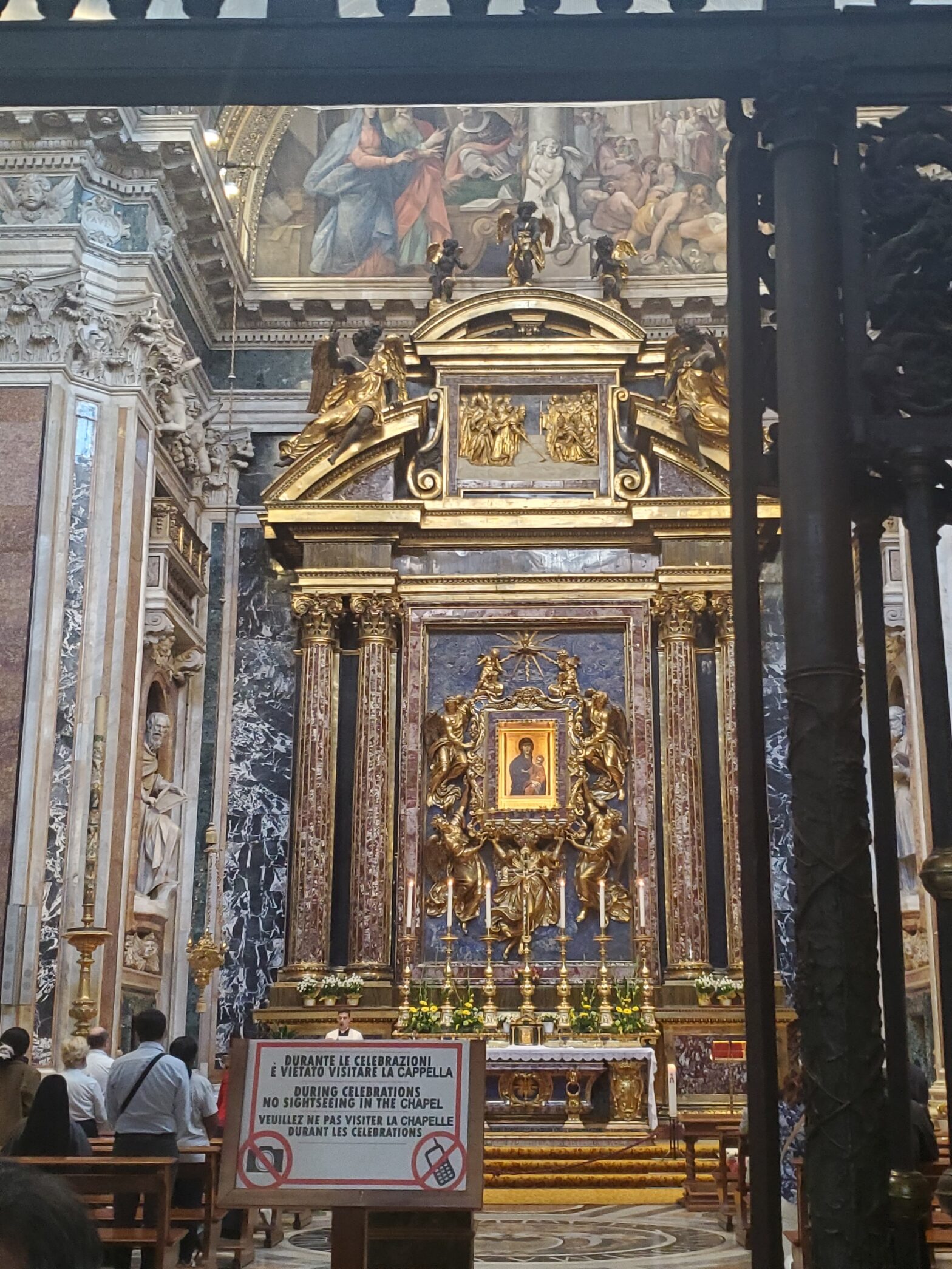
During People Sixtus V time, the Cappella Sistina was executed by Domenico Fontana. The chapel was done in a domed Greek-cross plan. It also housed the tomb of Pope and St. Pius V. The chapel was decorated with statues, stuccoes, and frescoes. Under the high altar, the Crypt of Nativity is on displayed. It’s said that the crypt contains a piece of wood from the Holy Crib of Jesus Christ.

Borghese Chapel

Your content goes here. Edit or remove this text inline or in the module Content settings. You can also style every aspect of this content in the module Design settings and even apply custom CSS to this text in the module Advanced settings.

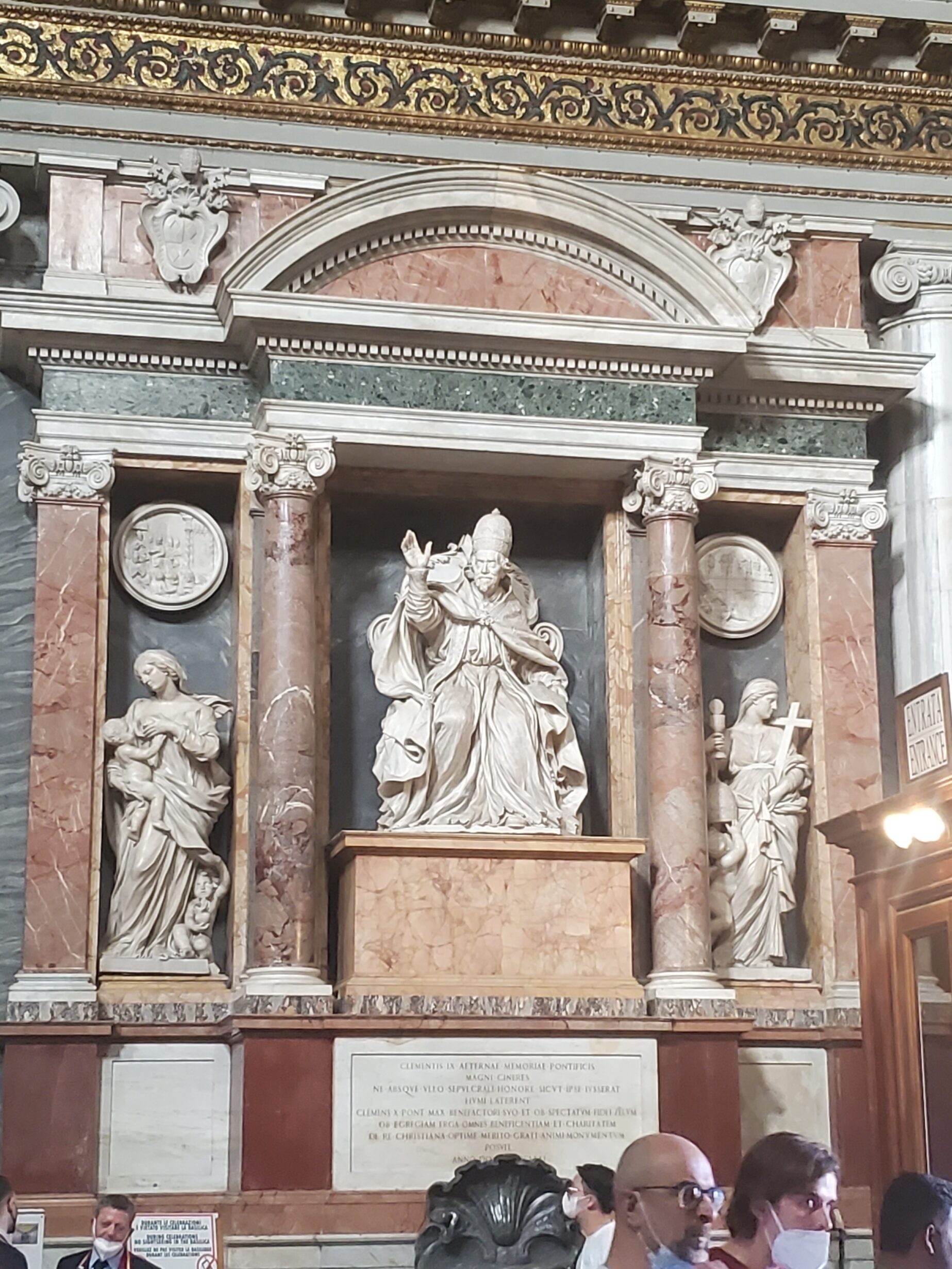
Monument of Clement IX

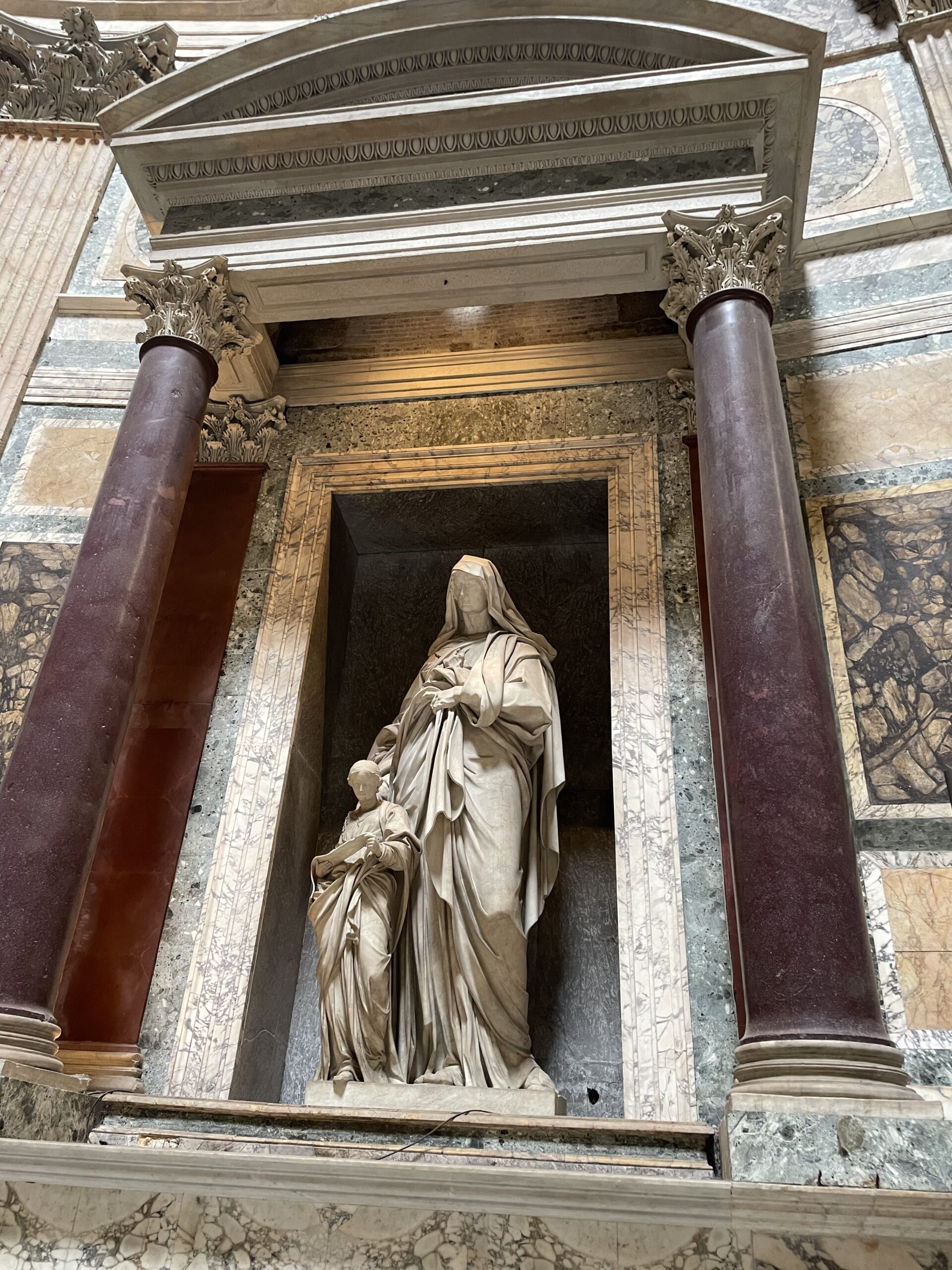
The monument of Clement IX was designed by Carlo Rainaldi. The statue of the people, Faith, and Charity were executed by Domenico Guidi, Cosimo Fancelli, and Ercole Ferrata, respectively.

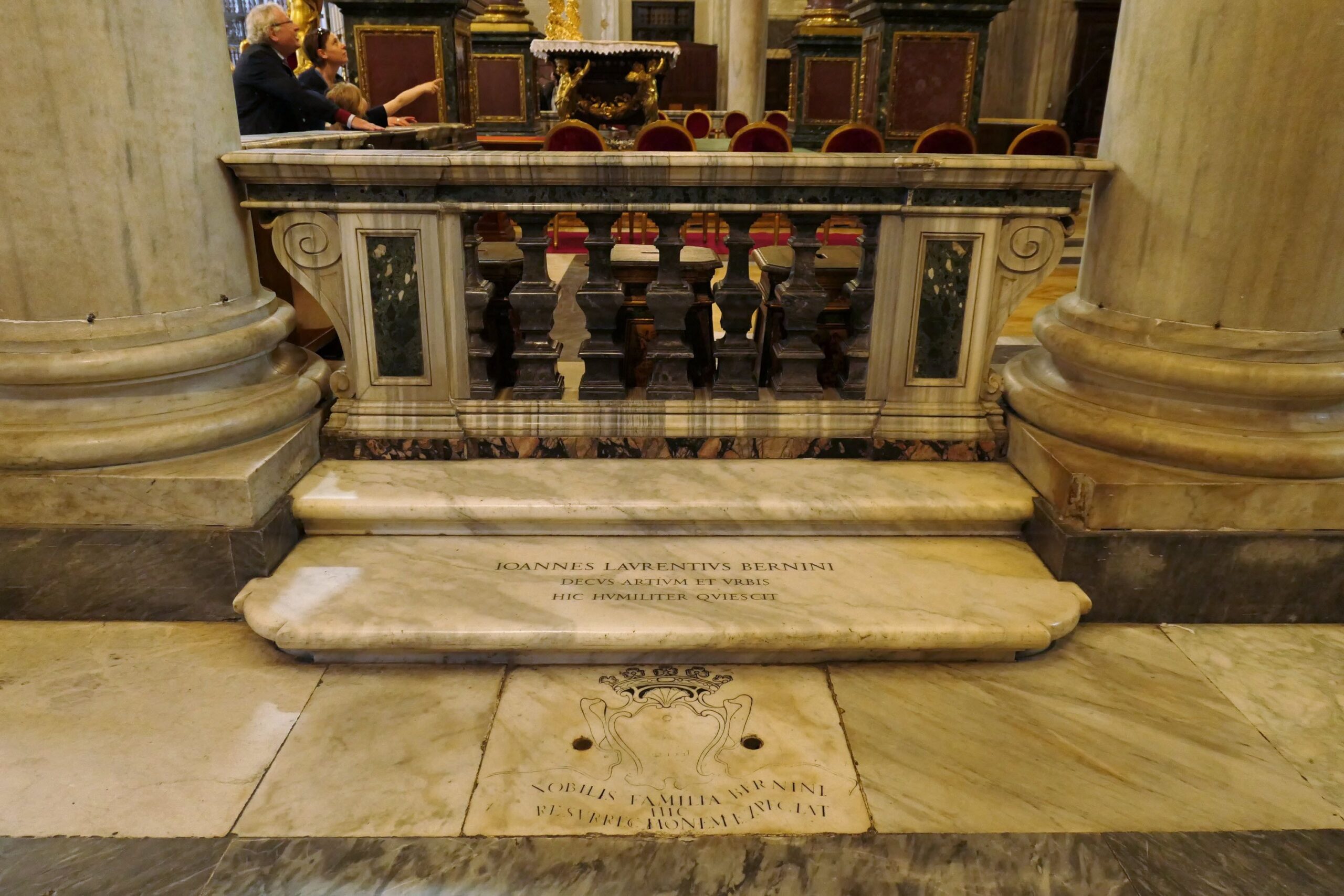
Bernini’s Grave

Next to the Confessio lies Bernini’s tomb on a pavement. The following epitaph translates to “Glory of the arts and of this city.”

Citation: 

Davis, Linda. “Gian Lorenzo Bernini (1598-1680) .” Find a Grave, 2003, https://www.findagrave.com/memorial/7750417/gian-lorenzo-bernini.

Jones, Mark Wilson. Principles of Roman Architecture. Yale University Press, 2009.

“Location.” Omeka RSS, http://omeka.wellesley.edu/piranesi-rome/exhibits/show/pantheon/location.

Macadam, Alta, and Annabel Barber. Rome Alta Macadam, Annabel Barber. Blue Guide, 2020.

“Rome, Italy.” Map. Google Maps. Google, 22 May 2022

Tynyshev, Ades. “Inside the Basilica.” The Papal Basilica of Santa Maria Maggiore, https://www.vatican.va/various/basiliche/sm_maggiore/en/storia/interno.htm.

Patterson, AnnMarie, and Patterson, Tyler